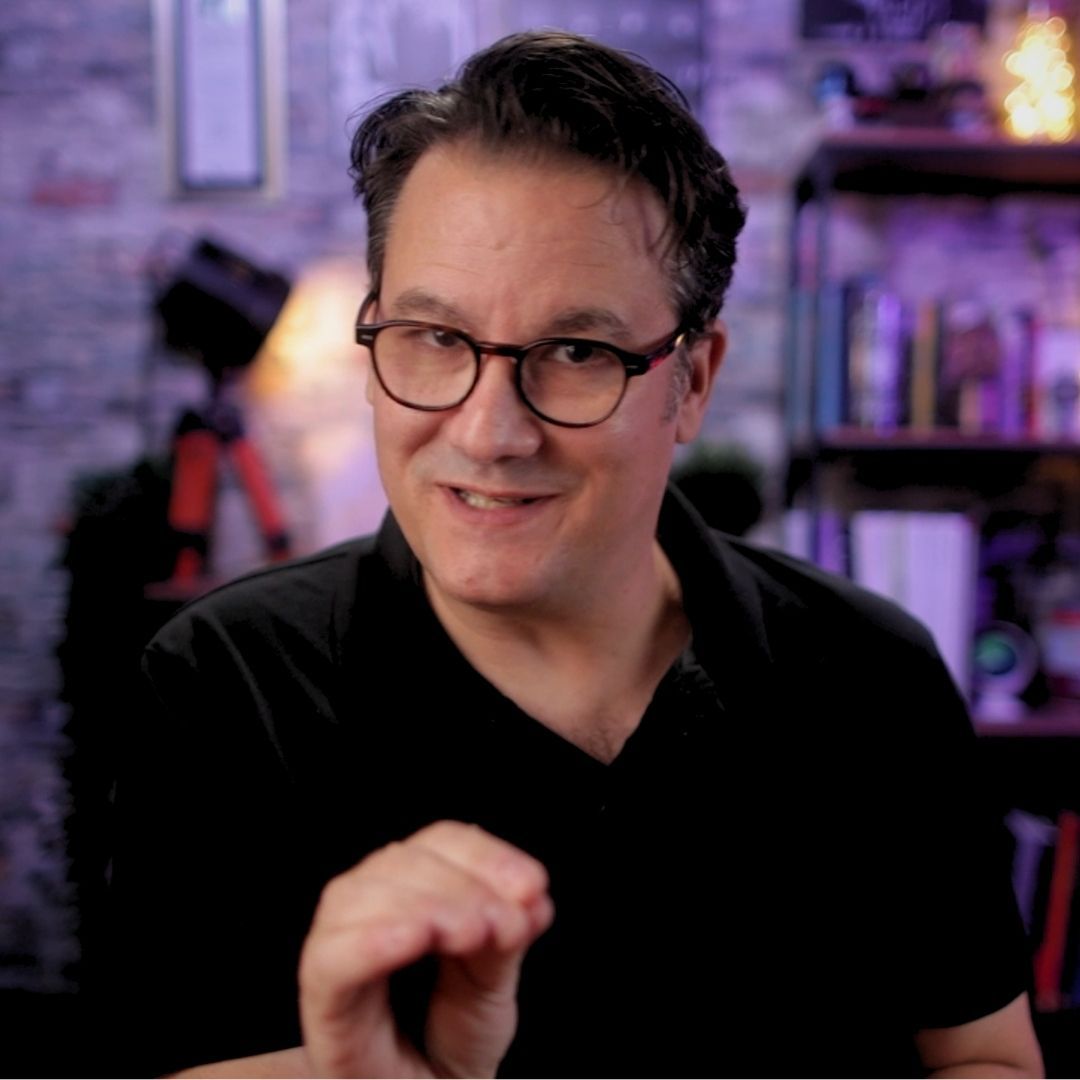

Screenwriter James A Hurst making a point in his studio

Screenwriting Courses

Inside my writing courses, I help screenwriters develop the skills, structure, and confidence to write scripts that actually work - stories that feel alive on the page and connect with readers, producers, and audiences.

If you’re looking for a clear roadmap to build your pilot from idea to finished script, you’ll find it in Pilot Script Lab - my small group program where writers get live feedback, structure, and support.

If dialogue’s your focus, you want to take my Dialogue Rescue mini-course - a learn-at-your-own-pace course with lessons and workbooks that will save your script from stilted, unrealistic and on-the-nose dialogue.

My goal is simple: to help you write the kind of script that turns readers into fans, and fans into champions of your work.

Screenwriting Courses

Screenwriter James A Hurst making a point in his studio

Inside my writing courses, I help screenwriters develop the skills, structure, and confidence to write scripts that actually work - stories that feel alive on the page and connect with readers, producers, and audiences.

If you’re looking for a clear roadmap to build your pilot from idea to finished script, you’ll find it in Pilot Script Lab - my small group program where writers get live feedback, structure, and support.

If dialogue’s your focus, you want to take my Dialogue Rescue mini-course - a learn-at-your-own-pace course with lessons and workbooks that will save your script from stilted, unrealistic and on-the-nose dialogue.

My goal is simple: to help you write the kind of script that turns readers into fans, and fans into champions of your work.

AMY STARKEY

Screenwriter/Director

Screenwriting is hard, but James makes it seem easy.


The tools he provides and the structure through which to apply those tools are so well defined that it feels like shoveling sand into a bucket, flipping it over and voila! A fully-formed script sand castle appears.


His courses give you step by step guides for building the elements of a concept and then turning it into a completed script. I've plotted out two series ideas and written two scripts so far with James' help and I couldn't be more grateful.

AMY STARKEY

Screenwriter/Director

Screenwriting is hard, but James makes it seem easy.


The tools he provides and the structure through which to apply those tools are so well defined that it feels like shoveling sand into a bucket, flipping it over and voila! A fully-formed script sand castle appears.

Screenwriter Natasha Fernando smiles at the camera

NATASHA FERNANDO

Screenwriter/Director

As someone trying to build up the skillset of being a character-driven writer, James showed us the ropes in fun, easy-to-understand steps with great workbooks. I looked forward to every lesson and was rather sad it had to end!

I was able to craft a pilot from scratch, and I now know exactly how to replicate the process for other ideas (this is so, so valuable).

Write Your Best Pilot Script In Just 13 Weeks.

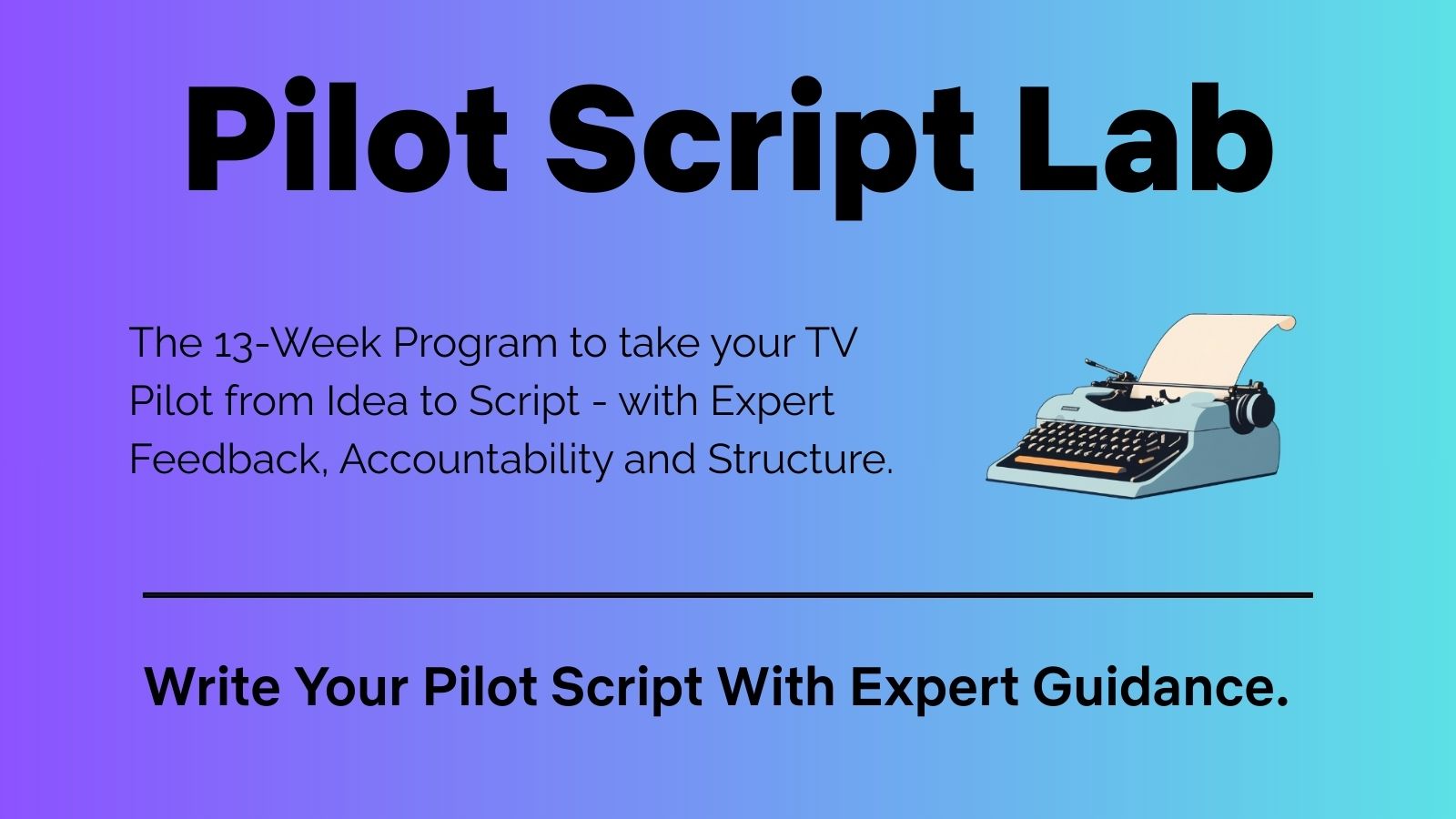
Pilot Script Lab is a hands-on experience for writers who want to take their TV pilot from idea to standout script. You’ll get expert feedback, weekly guidance, and the support of a small, committed group of writers on the same journey.

Whether you’re revising a draft or starting fresh, this lab is designed to elevate your craft, sharpen your structure, and help you finish a script you’re proud to share—with the momentum and accountability to make it happen.

🎬 Real feedback. Real deadlines. Real progress - in 13 weeks.

Write Your Best Pilot With Expert Guidance and Creative Support - In Just 13 Weeks.

Pilot Script Lab is a 13-week, hands-on experience for writers who want to take their TV pilot from idea to standout script. You’ll get expert feedback, weekly guidance, and the support of a small, committed group of writers on the same journey.

Whether you’re revising a draft or starting fresh, this lab is designed to elevate your craft, sharpen your structure, and help you finish a script you’re proud to share—with the momentum and accountability to make it happen.

🎬 Real feedback. Real deadlines. Real progress - in 13 weeks.

As someone trying to build up the skillset of being a character-driven writer, James showed us the ropes in fun, easy-to-understand steps with great workbooks.

I highly recommend James' courses and anything else James has going forward!

NATASHA FERNANDO

Screenwriter

NATASHA FERNANDO

Screenwriter

As someone trying to build up the skillset of being a character-driven writer, James showed us the ropes in fun, easy-to-understand steps with great workbooks. I looked forward to every lesson and was rather sad it had to end!

I was able to craft an entire TV pilot from scratch, and I now know exactly how to replicate the process for other ideas (this is so, so valuable).

I highly recommend James' courses and anything else James has going forward!

Writing Great Dialogue

You’ll learn how to spot flat, fake, and on-the-nose dialogue fast, then fix it using practical tools you can apply immediately to any scene, any draft, any genre.

Whether you’re polishing a pilot or rescuing a script mid-rewrite, Dialogue Rescue gives you a repeatable process to make your dialogue sharper, more specific, and emotionally alive - without gimmicks or guesswork.

COMING SOON

Write Your TV Pilot

Pilot Script Lab is a 13-week, hands-on experience for writers who want to stop circling their pilot and actually finish it.

You’ll get expert feedback, weekly guidance, and the support of a small, committed group of writers moving through the same process. Whether you’re revising an existing draft or starting fresh, the lab is designed to sharpen your structure, strengthen your choices, and keep you moving all the way to a completed script.

Real feedback. Real deadlines. Real progress - in 13 weeks.

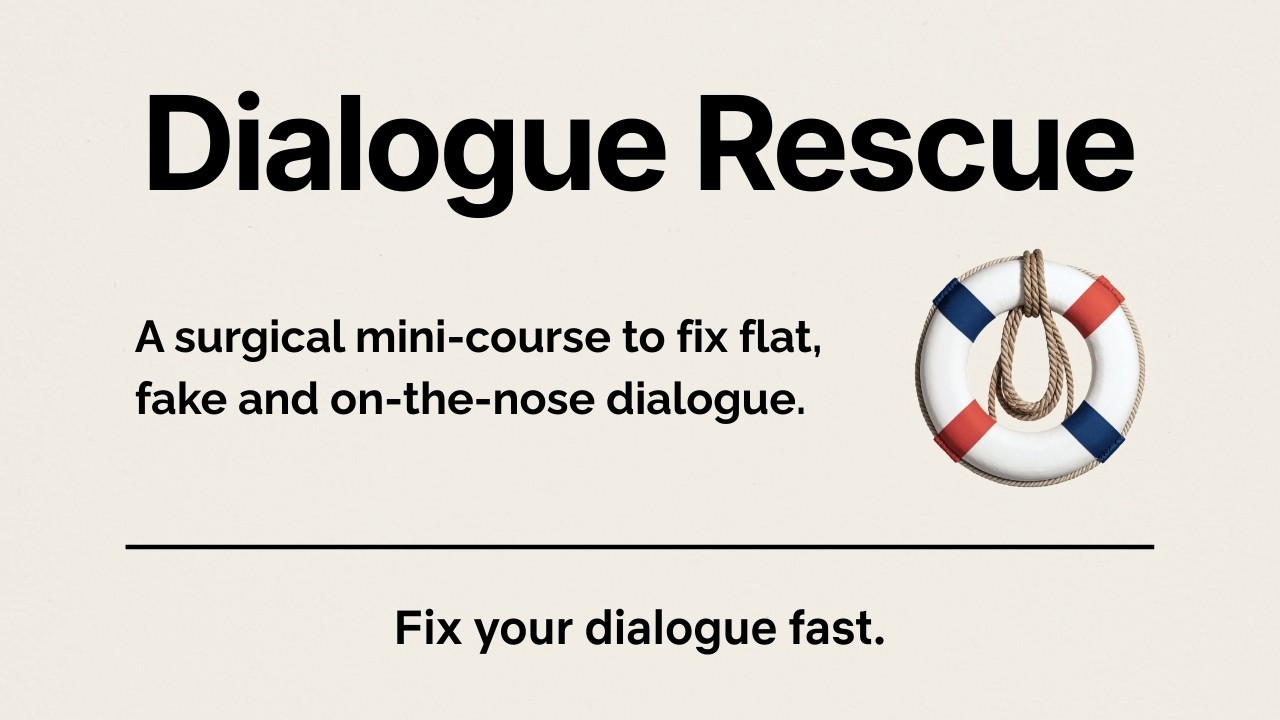
A focused mini-course for writers who know their dialogue isn’t working - but don’t know why.

You’ll learn how to spot flat, fake, and on-the-nose dialogue fast, then fix it using practical tools you can apply immediately to any scene, any draft, any genre.

Whether you’re polishing a pilot or rescuing a script mid-rewrite, Dialogue Rescue gives you a repeatable process to make your dialogue sharper, more specific, and emotionally alive - without gimmicks or guesswork.

COMING SOON

A focused mini-course for writers who know their dialogue isn’t working - but don’t know why.

You’ll learn how to spot flat, fake, and on-the-nose dialogue fast, then fix it using practical tools you can apply immediately to any scene, any draft, any genre.

Whether you’re polishing a pilot or rescuing a script mid-rewrite, Dialogue Rescue gives you a repeatable process to make your dialogue sharper, more specific, and emotionally alive - without gimmicks or guesswork.

COMING SOON

FAQS

FAQS

FAQS

Is Dialogue Rescue right for me if I’m a beginner?

Yes. Dialogue Rescue is designed for writers at any level who feel their dialogue isn’t landing yet. You don’t need advanced theory or prior courses—just a script and the willingness to revise.

Do I need to take Pilot Script Lab before Dialogue Rescue?

No. Dialogue Rescue works as a standalone mini-course and can be taken at any time. Many writers use it alongside a draft they’re already working on, whether or not they’re enrolled in Pilot Script Lab.

Is Dialogue Rescue for TV only, or does it work for features too?

Both. The tools in Dialogue Rescue apply to TV pilots, feature films, and short scripts. The principles focus on character intention, subtext, and scene dynamics—things that work across formats.

How long does Dialogue Rescue take to complete?

Dialogue Rescue is self-paced. Most writers complete it in a few focused sessions, but you can move through it as quickly or slowly as you like and revisit the material whenever you need a dialogue tune-up.

Do you offer script coverage or one-on-one feedback?

I don’t offer traditional script coverage. My courses are designed to teach you how to diagnose and fix problems yourself - so you’re not dependent on outside notes every time you revise.

What’s the difference between Pilot Script Lab and Dialogue Rescue?

Pilot Script Lab is a 13-week guided program with live feedback, structure, and accountability designed to help you finish a TV pilot. Dialogue Rescue is a fast, focused mini-course that targets one specific skill: fixing dialogue.

Is Dialogue Rescue right for me if I’m a beginner?

Yes. Dialogue Rescue is designed for writers at any level who feel their dialogue isn’t landing yet. You don’t need advanced theory or prior courses—just a script and the willingness to revise.

Do I need to take Pilot Script Lab before Dialogue Rescue?

No. Dialogue Rescue works as a standalone mini-course and can be taken at any time. Many writers use it alongside a draft they’re already working on, whether or not they’re enrolled in Pilot Script Lab.

Is Dialogue Rescue for TV only, or does it work for features too?

Both. The tools in Dialogue Rescue apply to TV pilots, feature films, and short scripts. The principles focus on character intention, subtext, and scene dynamics—things that work across formats.

How long does Dialogue Rescue take to complete?

Dialogue Rescue is self-paced. Most writers complete it in a few focused sessions, but you can move through it as quickly or slowly as you like and revisit the material whenever you need a dialogue tune-up.

Do you offer script coverage or one-on-one feedback?

I don’t offer traditional script coverage. My courses are designed to teach you how to diagnose and fix problems yourself - so you’re not dependent on outside notes every time you revise.

What’s the difference between Pilot Script Lab and Dialogue Rescue?

Pilot Script Lab is a 13-week guided program with live feedback, structure, and accountability designed to help you finish a TV pilot. Dialogue Rescue is a fast, focused mini-course that targets one specific skill: fixing dialogue.

Is Dialogue Rescue right for me if I’m a beginner?

Yes. Dialogue Rescue is designed for writers at any level who feel their dialogue isn’t landing yet. You don’t need advanced theory or prior courses—just a script and the willingness to revise.

Do I need to take Pilot Script Lab before Dialogue Rescue?

No. Dialogue Rescue works as a standalone mini-course and can be taken at any time. Many writers use it alongside a draft they’re already working on, whether or not they’re enrolled in Pilot Script Lab.

Is Dialogue Rescue for TV only, or does it work for features too?

Both. The tools in Dialogue Rescue apply to TV pilots, feature films, and short scripts. The principles focus on character intention, subtext, and scene dynamics—things that work across formats.

How long does Dialogue Rescue take to complete?

Dialogue Rescue is self-paced. Most writers complete it in a few focused sessions, but you can move through it as quickly or slowly as you like and revisit the material whenever you need a dialogue tune-up.

Do you offer script coverage or one-on-one feedback?

I don’t offer traditional script coverage. My courses are designed to teach you how to diagnose and fix problems yourself - so you’re not dependent on outside notes every time you revise.

What’s the difference between Pilot Script Lab and Dialogue Rescue?

Pilot Script Lab is a 13-week guided program with live feedback, structure, and accountability designed to help you finish a TV pilot. Dialogue Rescue is a fast, focused mini-course that targets one specific skill: fixing dialogue.

Screenwriting is hard, but James makes it seem easy. The tools he provides are so well defined that it feels like shoveling sand into a bucket, flipping it over and voila! A fully-formed script appears.

AMY STARKEY

Screenwriter/Director